

Table of Contents
Foreclosures in the United States have skyrocketed, jumping 42% in April compared to the same month last year, according to fresh data from ATTOM. This sharp rise, which saw 5,098 completed foreclosures nationwide in April, is primarily attributed to persistently high mortgage rates, elevated housing costs, and inflation-driven living expenses straining household budgets. Delaware leads the nation with one foreclosure filing for every 1,739 housing units, followed closely by South Carolina and Florida, indicating mounting distress in specific market segments.
Foreclosures Have Skyrocketed: 3 States Hit Hardest in 2026
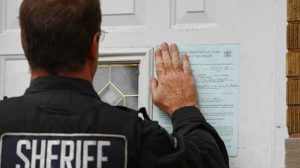 Foreclosures Have Skyrocketed 42%
Foreclosures have skyrocketed in the United States. They jumped 42% in April compared to the same month last year. This sharp rise signals growing financial pressure on homeowners. Persistently high mortgage rates and elevated housing costs continue to strain household budgets.
ATTOM has released fresh data showing lenders completed 5,098 foreclosures nationwide in April. That is a significant year-over-year increase and raises important questions about housing market stability.
Broader foreclosure filings—including default notices, scheduled auctions, and bank repossessions—totaled 42,430 properties. This is up 18% from the prior year. Foreclosure starts alone climbed 12% to 28,414. This marks the 12th consecutive month of annual increases.
However, overall levels remain well below pre-pandemic peaks but the consistent year-over-year growth points to mounting distress in certain segments of the market. Experts attribute the trend to years of elevated borrowing costs that have made monthly payments unaffordable for many households.
Why Foreclosures Have Skyrocketed in 2026
The main reason foreclosures have skyrocketed in 2026 is due to high mortgage rates combined with stubborn home prices, In addition, inflation-driven living costs have squeezed many homeowners. Borrowers who secured loans during the low-rate pandemic era now face refinancing challenges at much higher rates. For others, job changes, medical expenses, or unexpected life events have made keeping up with payments difficult.
This environment creates ripple effects. Rising foreclosures can also increase housing inventory in some markets. In addition, it can potentially ease prices over time. However, they also highlight ongoing affordability struggles for average families.
Top 3 States Where Foreclosures Have Skyrocketed
 Three states stand out with the nation’s worst foreclosure rates:
- Delaware leads the pack with one foreclosure filing for every 1,739 housing units.
- South Carolina follows close in second place at one in every 1,745 homes.
- Florida rounds out the top three with one in every 2,092 housing units.
These states have seen concentrated activity due to a mix of investor-owned properties and tourism-related economic volatility. In addition, they have a higher concentration of adjustable-rate or subprime loans from earlier years.
Top States by Foreclosure Starts
When looking at raw numbers of foreclosure starts, the picture shifts slightly:
- Florida recorded 3,505 foreclosure starts.
- Texas came in second with 3,154.
- California placed third with 2,786.
These large states naturally post higher absolute numbers because of their massive housing stocks, but the rate data shows smaller states like Delaware and South Carolina are experiencing more intense pressure relative to their size.
What is the additional market context about where foreclosures have skyrocketed?
 Although the original report was cut off regarding New York City’s first-quarter numbers, national trends suggest urban centers are not immune. Rising filings often appear first in areas with rapid price appreciation followed by cooling demand.
For homebuyers, this could eventually translate into more distressed properties entering the market at potentially discounted prices. Investors and flippers may find opportunities in foreclosure auctions. However, they should be prepared for the legal complexities and repair costs involved.
Homeowners currently behind on payments should act quickly. Options include contacting lenders about forbearance, loan modification, or repayment plans before a foreclosure filing escalates.
How to Protect Yourself from Foreclosure
- Monitor your budget closely and reach out to your servicer at the first sign of trouble.
- Explore refinancing if rates improve or consider selling before filing occurs.
- Stay informed about state-specific foreclosure timelines, which vary widely.
- Review credit reports regularly to catch any errors that could affect loan approvals.
Long-Term Outlook for the Housing Market After Foreclosures Have Skyrocketed
 Analysts expect foreclosure activity to remain elevated through the rest of 2026 unless mortgage rates drop meaningfully.
However, strong employment in many regions and accumulated homeowner equity from prior years should prevent a repeat of the 2008 crisis. The current wave appears more localized and manageable.
Whether you’re a prospective buyer tracking foreclosure listings, a homeowner worried about your own situation, or an investor evaluating opportunities, understanding these foreclosure statistics helps you make smarter decisions.
The 42% jump serves as a clear reminder that affordability challenges persist for many Americans.
Read More About How Foreclosures Have Skyrocketed In Your Area On MFI-Miami.com.